What Is Single Malt? A Beginner's Guide to the Whisky Worth Slowing Down For
What single malt really means, how it is made, why it tastes different from blends, eight bottles to start with, and the world-class single malts now made in India.

Ask ten whisky lovers what they pour when the evening is long and nobody is in a hurry, and most will give you the same two words: single malt. It is the bottle with a distillery's name on the label and a place behind the name. But what does "single malt" actually mean, how is it different from everything else on the shelf, and is it really better?
This guide answers all of that in plain words, with pictures. It ends with eight bottles to begin with, and the single malts now being made in India.
The short answer
Single malt Scotch is whisky made at one distillery, from malted barley, water and yeast only, distilled in copper pot stills, and aged in oak casks for at least three years. That is not marketing. It is the law.
Under the Scotch Whisky Regulations 2009, a Single Malt Scotch Whisky must be distilled at a single distillery, from water and malted barley without any other cereals, in pot stills. It must be matured in oak casks in Scotland for at least three years and bottled at no less than 40% alcohol. Since 2012 it must also be bottled in Scotland.
Two words do the work. "Single" means one distillery. It does not mean one barrel. "Malt" means malted barley: barley that has been soaked, allowed to sprout and then dried. Everything else on a label is detail, and the figure below shows how to read it.
- Distillery “Single” means every drop came from one distillery. It does not mean one barrel.
- Single Malt Scotch Made from malted barley and water only, in pot stills, and bottled in Scotland.
- Age statement The age of the youngest whisky in the bottle. No number? It could be as young as three years.
- Region A hint of style (light and fruity, rich, smoky). A guide, not a guarantee.
- Strength Never below 40%. “Cask strength” bottles are higher, often 55% or more.
- Casks Ex-bourbon barrels give vanilla and sweetness; sherry casks add dried fruit and spice.
How single malt is made
Every single malt follows the same six steps. What makes each distillery different is how it tweaks them: the barley, the peat, the shape of the stills, the casks and the patience.
- 1. MaltBarley is soaked, left to sprout, then dried in a kiln. Peat smoke here means a smoky whisky.About a week
- 2. MashGround malt meets hot water in the mash tun. Starch turns to sugar: a sweet liquid called wort.A few hours
- 3. FermentYeast eats the sugar and makes alcohol: a rough, beer-like “wash” of about 8% ABV.2 to 4 days
- 4. DistilTwice through copper pot stills. Only the middle “heart” of the second run is kept.A day or so
- 5. MatureClear spirit rests in oak casks. By law, at least three years; many sit for ten, twenty or more.3 years minimum
- 6. BottleCasks are chosen and married. Water brings it to bottling strength, at least 40%.Done
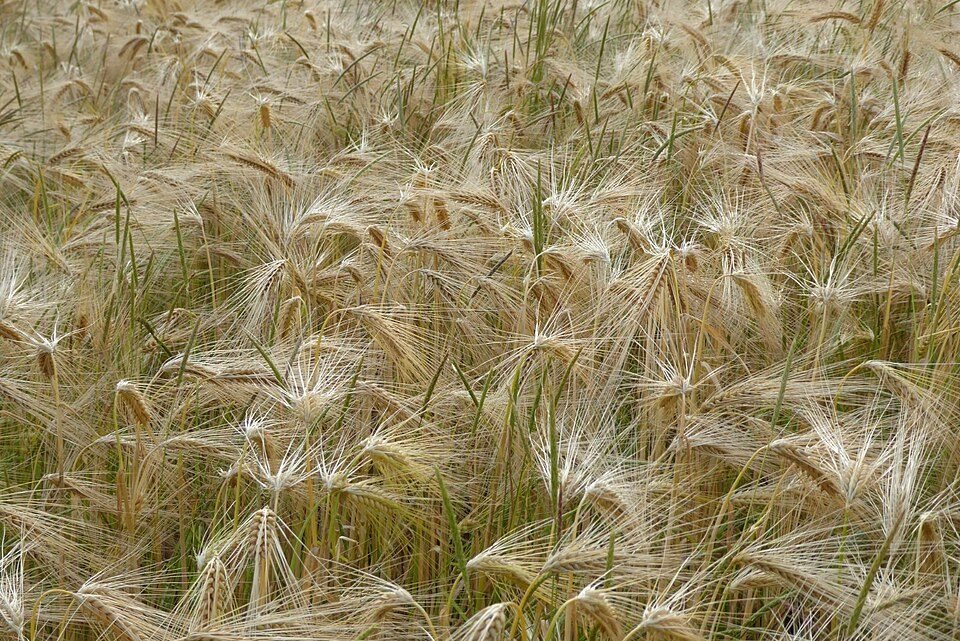
1. Malting: barley with a secret
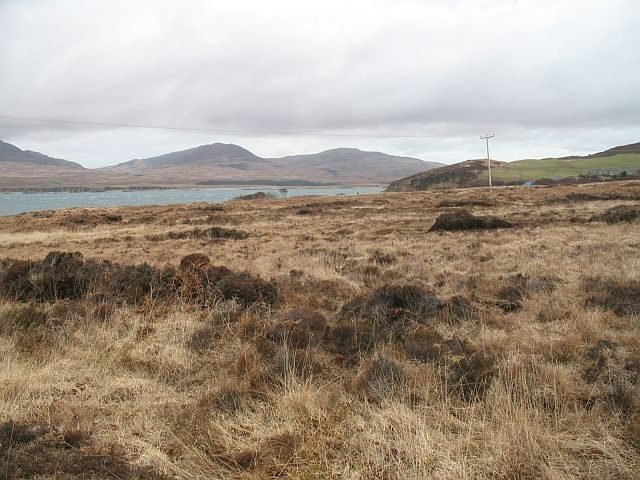
Barley is soaked in water, left to sprout so its starch can later turn to sugar, then dried in a kiln. If the kiln fire is fed with peat, the smoke clings to the grain. That is where the smoky flavour of an Islay whisky starts. Peat is measured in phenol parts per million (ppm). A lightly peated malt has a few ppm; Laphroaig is typically quoted at around 40; some Octomore releases from Bruichladdich have gone past 200.
2. Mashing and fermenting
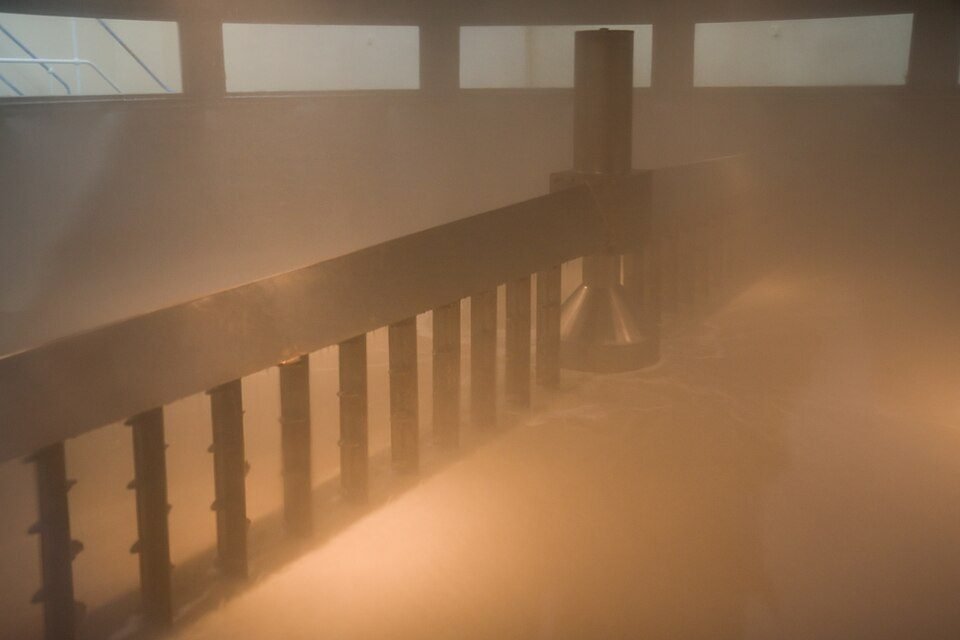
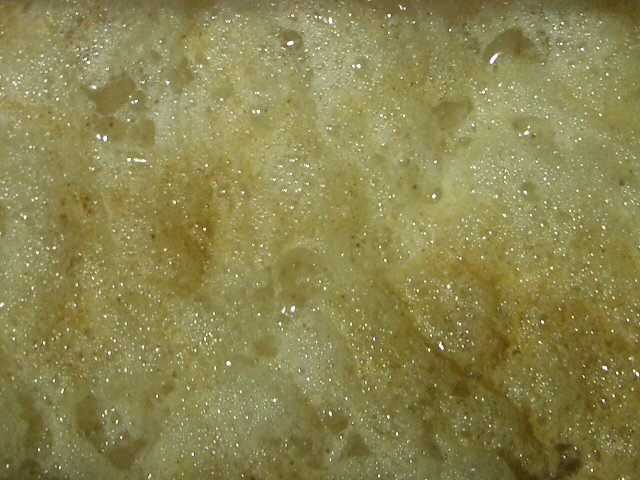
The dried malt is ground and mixed with hot water in a mash tun. The starch turns to sugar and the sweet liquid, called wort, is drained off. Yeast is added, and over two to four days it turns the sugar into alcohol. The result is a bubbling, beer-like liquid of about eight per cent alcohol called wash.
3. Distilling: two runs through copper
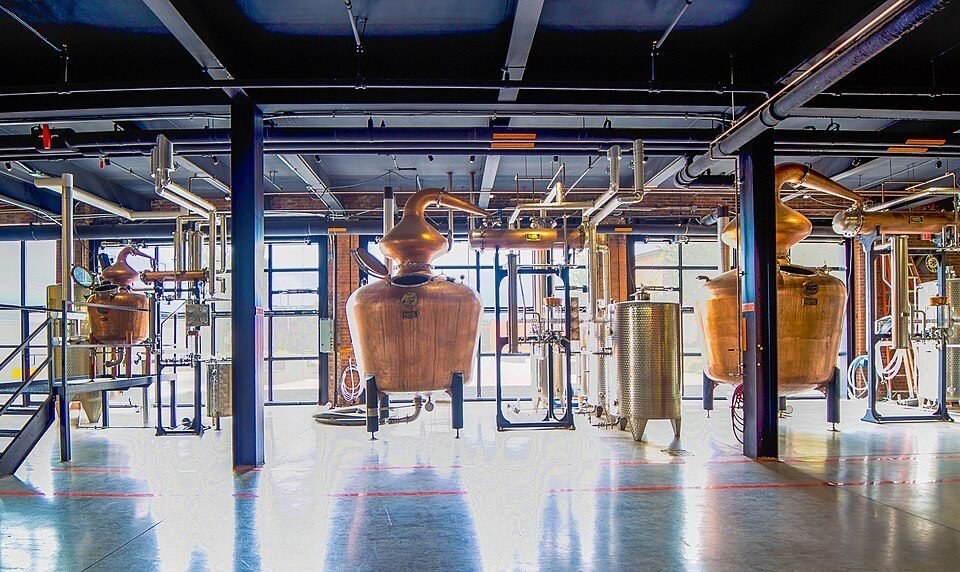
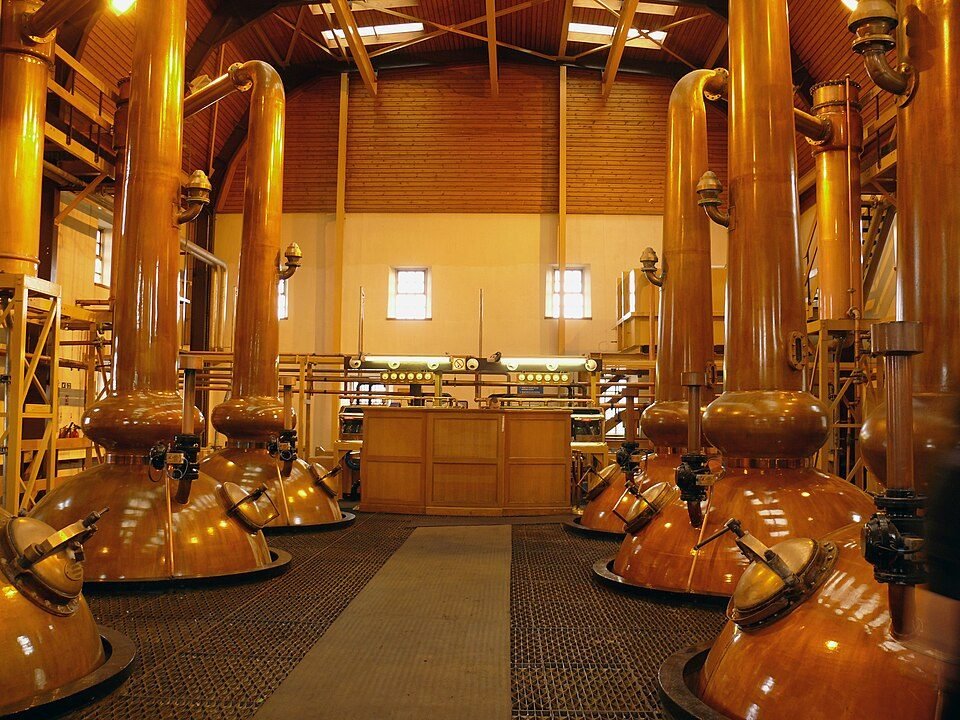
The wash is heated in a copper pot still. Alcohol turns to vapour first, rises, cools and drips down as liquid. In Scotland the process is normally done twice. The distiller keeps only the middle part of the second run, the "heart", and sets aside the harsh first part (foreshots) and the oily last part (feints). Copper does more than look beautiful: it strips out sulphur compounds and keeps the spirit clean. Tall, slim stills tend to make a lighter spirit; short, squat ones a heavier one.
4. Maturing: where most of the flavour is born
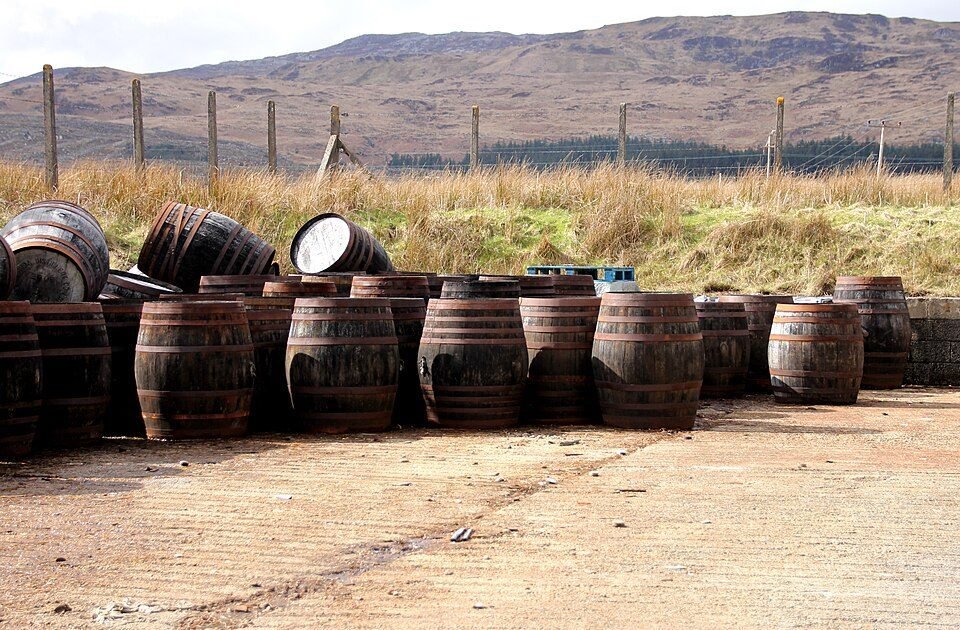
The clear new spirit goes into oak casks and waits. The wood adds colour, vanilla, spice and sweetness, and slowly removes the rough edges. Most casks are ex-bourbon barrels from the United States, with sherry casks from Spain also prized. About two per cent of the whisky evaporates each year, the "angel's share". By law, three years is the minimum. Many single malts rest for ten, eighteen or thirty years or more.
5. Bottling
The master blender chooses casks, marries them, and may add a little water to reach bottling strength. Some distilleries chill-filter the whisky so it stays clear when cold; others do not, and proudly say so. Colour may be adjusted with a little caramel, which is why you cannot judge quality by colour alone.
How single malt is different from other whiskies
The simplest way to see it is in a table.
| Single malt Scotch | Blended malt | Blended Scotch | Single grain | Bourbon | |
|---|---|---|---|---|---|
| Made from | Malted barley only | Malted barley only | Malt and grain whisky mixed | Mostly wheat or corn, some malt | At least 51% corn |
| How many distilleries | One | Several | Many, often dozens | One | One, or several if blended |
| Still | Copper pot | Pot | Pot and column | Column (continuous) | Column, often with a pot “doubler” |
| Oak | At least 3 years, used casks | At least 3 years | At least 3 years | At least 3 years | New charred oak barrels |
| Where | Scotland | Scotland | Scotland | Scotland | United States |
| Style | Distinct and varied, shaped by the distillery | Blend of distillery styles | Smooth, consistent, easy | Light and sweet | Sweet, vanilla, caramel |
Most of the Scotch sold in the world, by most industry estimates around nine bottles in ten, is blended Scotch. A blender combines malt whiskies from several distilleries with lighter grain whisky to create one reliable house taste, year after year. A good blend is a skilled piece of craft, not a lesser whisky. The difference is that a blend aims to be consistent, while a single malt shows you the personality of one place.
Bourbon, Irish and Japanese whiskies have their own rules. Bourbon must be made in the United States from at least 51% corn and aged in new charred oak. Irish whiskey is often triple distilled. Japan makes superb single malts too, inspired by the Scottish method: our encyclopedia has Yamazaki 12 and Hibiki Harmony.
Why some people appreciate single malt more
Single malt is no better for everyone, but there are good reasons many drinkers fall for it.
- **It has an address.** A single malt tastes like one place and its habits: a coastal warehouse, a particular still, a certain barley. Tasting two from different distilleries side by side shows you the difference in seconds.
- **It has nowhere to hide.** Without a blender to smooth things over, strengths and weaknesses show. That is exactly what draws tasters in.
- **It rewards attention.** A good one changes in the glass: fruit first, then oak, then smoke or spice, then a long finish. The more you notice, the more there is to find.
- **Age and casks are written on the label.** Age statements and cask details give you something to compare and collect.
- **It slows you down.** A single malt asks for a quiet room, a small glass and a few minutes. Many people enjoy the ritual as much as the whisky.
- **Taste is learned.** Most people start with softer, sweeter whiskies and gradually reach for more character. There is no wrong place to start and no race to the peaty end.
Where it comes from: the regions
Scotland's whisky regions are a rough guide to style, not a rule. Think of them as a map of likely flavours.

A case study: The Glenlivet and Glenfiddich
If you want to understand how two distilleries from the same region can taste different, start with the two biggest names in Speyside. Both sit in the same valleys, around 30 kilometres apart, and both avoid peat. Yet they are not the same.
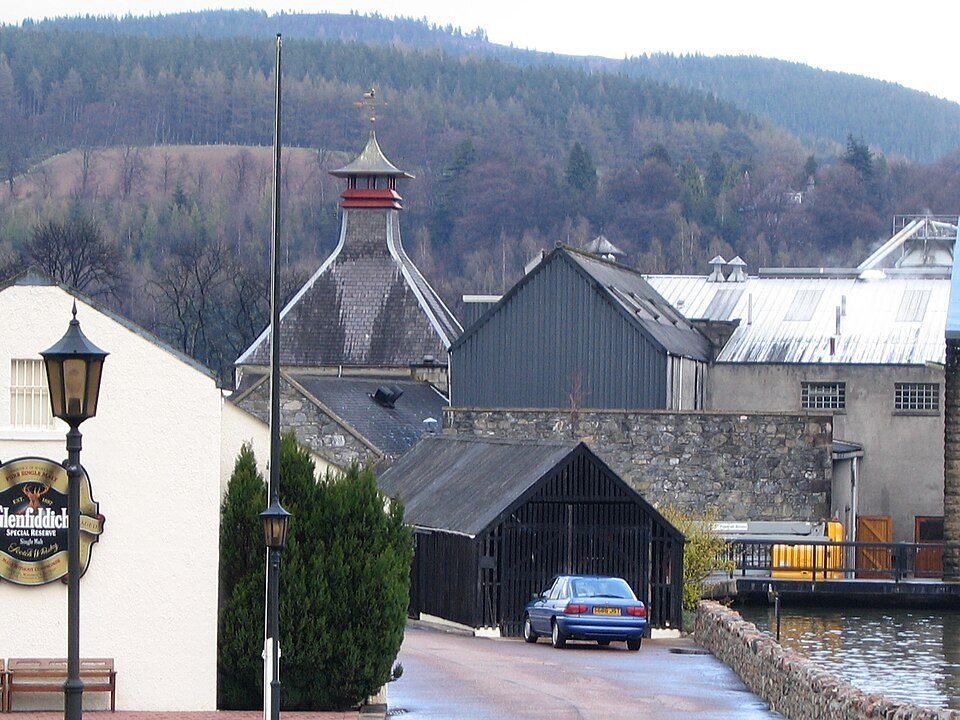
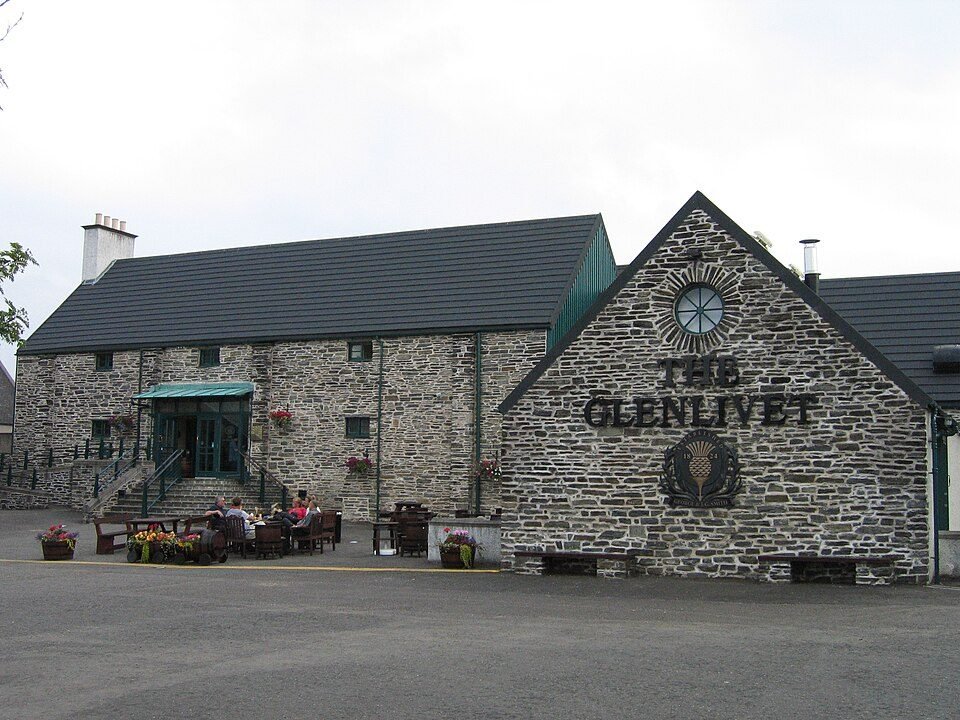
- **The Glenlivet** was founded in 1824 by George Smith, and its 12-year-old is bright and citrusy: mandarin orange, vanilla and a touch of spice.
- **Glenfiddich** was founded in 1886 by William Grant and is still family-run. Its 12-year-old is softer and rounder: pear, cream, honey and gentle oak. It was among the first single malts marketed internationally, from 1963.
Neither is "better". If you like your whisky bright and a little zesty, start with the Glenlivet. If you prefer soft and fruity, start with Glenfiddich. For a more detailed side-by-side, see Whisky Watch's comparison.
How to drink single malt
There is no wrong way, but a few small things make a big difference.
- 1. LookHold it to the light. Pale gold often means refill or bourbon casks; deep amber suggests sherry. Colour can be adjusted, so it proves nothing about quality.
- 2. NoseBring the glass close with your mouth slightly open. Short, gentle sniffs. Do not swirl hard: it pushes the alcohol forward.
- 3. SipA small sip. Let it coat your tongue and wait a few seconds before you swallow. What arrives first?
- 4. WaterAdd a few drops, wait a minute, then taste again. Water softens the heat and often opens new flavours.
- 5. FinishSwallow, then pause for 30 to 60 seconds. Smoke, spice, dried fruit, oak, salt: what lingers?
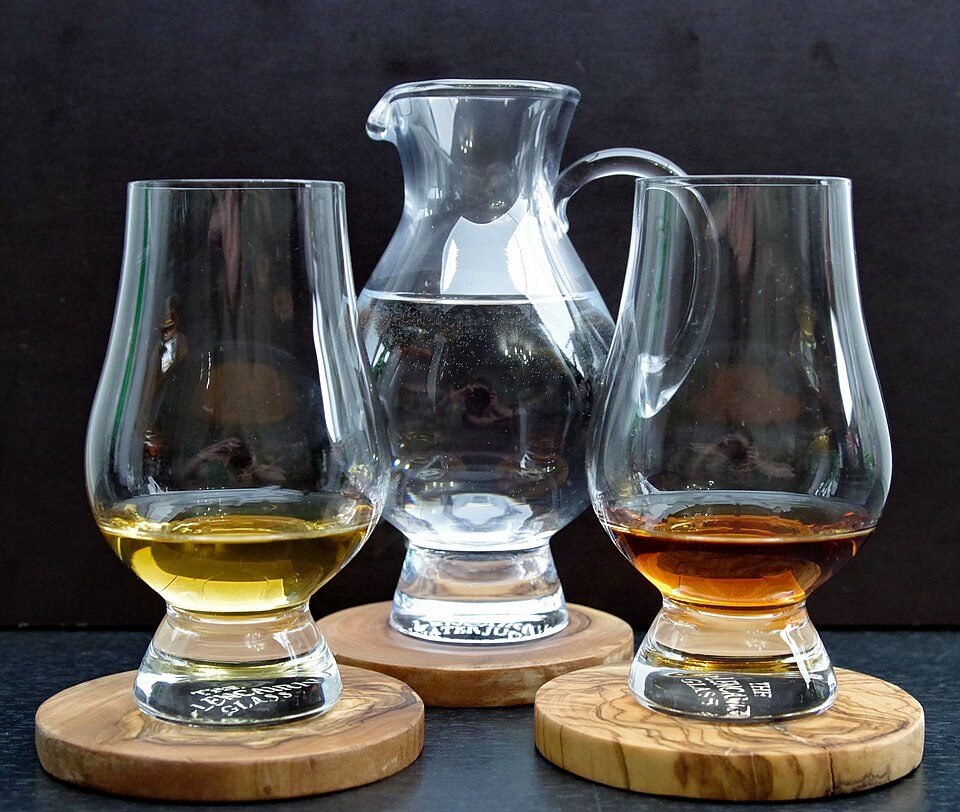
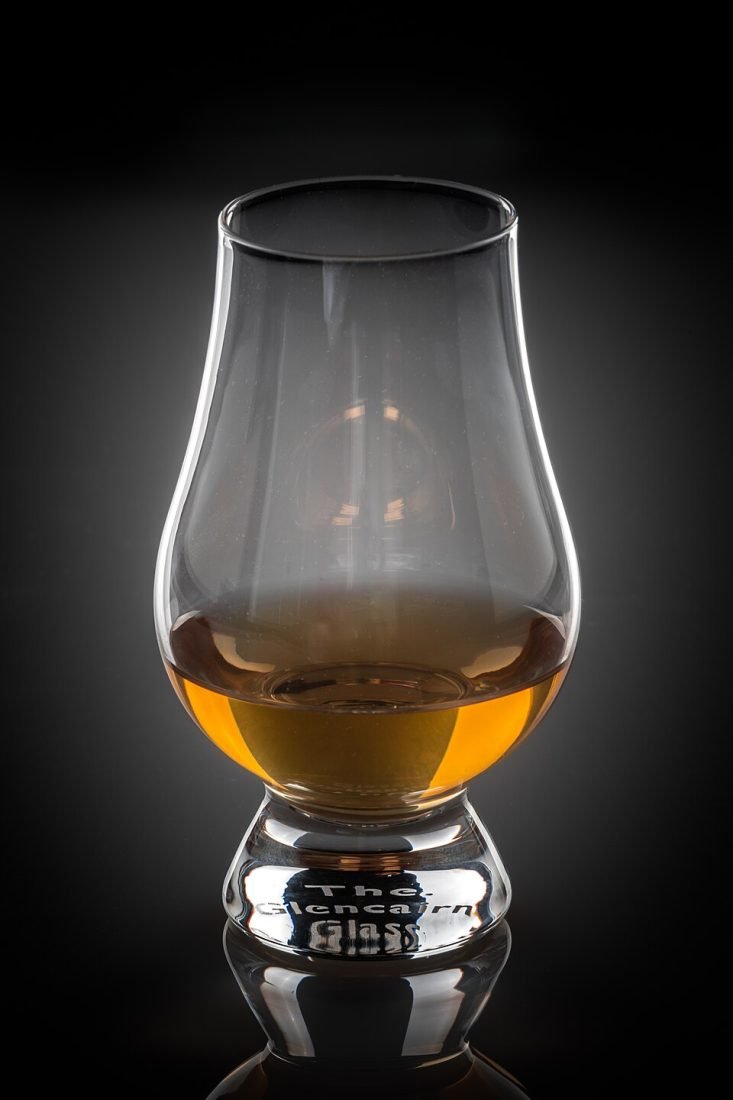
- **Use the right glass.** A tulip-shaped glass such as a Glencairn concentrates the aroma. A wide tumbler lets it escape.
- **Taste it neat first.** Then add a few drops of water and taste again. Cask-strength whiskies often welcome more.
- **Be careful with ice.** Ice chills the whisky and mutes the aroma. If you like it cold, use one large cube, which melts slowly.
- **Mind the temperature.** Roughly 16 to 20 degrees Celsius is about right. Too cold hides flavour; too warm makes the alcohol sharp.
- **Match the food.** Light, fruity Speyside malts suit smoked salmon, roast chicken and soft cheese. Smoky Islay malts love oysters, blue cheese and dark chocolate. Our Plate and Pour guide has recipes with whisky pairings.
- **Drink water too.** And never drink and drive.
For a deeper look at the ritual, see this guide to drinking single malt from Flight Wine Bar.
Eight single malts to start with
Here is a tasting line-up that runs from gentle to smoky. Taste them in this order and you can feel the style change as you go. Read each as "what to expect", not as a score.
 Glenfiddich 12SpeysidePear, vanilla, light oak. The gentlest door in.
 The Glenlivet 12SpeysideCitrus, honey and a little spice.
 The Balvenie 12 DoubleWoodSpeysideHoney and toffee with a sherry-cask hug.
 The Dalmore 12HighlandOrange marmalade, chocolate and spice.
 Craigellachie 13SpeysideWaxy, fruity and a little meaty. Full of character.
 Talisker 10IslandsBlack pepper, sea spray and gentle smoke.
 Laphroaig 10IslayIodine and bonfire smoke over a sweet core.
 Bruichladdich Scottish BarleyIslayUnpeated Islay: barley, lemon and sea breeze.
Our own favourites live in the spirits encyclopedia. If you want somewhere to begin, open Laphroaig 10, Lagavulin 16, Talisker 10, Springbank 15, The Glenlivet 18 and The Macallan 12 Double Cask, each with its flavour wheel, price tier and story.
Words you will see on a label
- **Age statement.** The age of the youngest whisky in the bottle. Older is not automatically better.
- **NAS (no age statement).** A bottle that does not state an age. It can still be excellent.
- **Cask strength.** Bottled without adding water, usually 55% or more. Add water to taste.
- **Non chill-filtered.** Not filtered when cold, so it may turn hazy with ice or water. Many people feel it keeps more texture.
- **Peated.** Malt dried over peat smoke. Smoky, sometimes medicinal.
- **Finish.** Whisky moved into a second cask, such as sherry, port or wine, for its last months.
Single malt in India
India drinks more whisky than any other country by volume, though most of it is Indian-made whisky, not imported Scotch. Imported single malt has long been expensive because of high import duty. Under the UK and India trade agreement, the duty on Scotch is being cut from 150% to 75% at once, and then to 40% over about ten years. Duty is only one part of the price, because each state adds its own excise, so shelf prices differ widely and do not fall by the same amount. Check the rate and the price list in your state.
What you will usually find in Indian stores, though not every state stocks everything, are the classics: Glenfiddich 12, 15 and 18, The Glenlivet 12, 15 and 18, The Singleton, Talisker 10, Laphroaig 10, Glenmorangie, The Macallan and Lagavulin 16 in some states. A standard 12-year-old usually sits somewhere between about 5,000 and 7,000 rupees, depending on the state and the retailer.
Then there is the story that surprises people most: India now makes world-class single malts of its own.
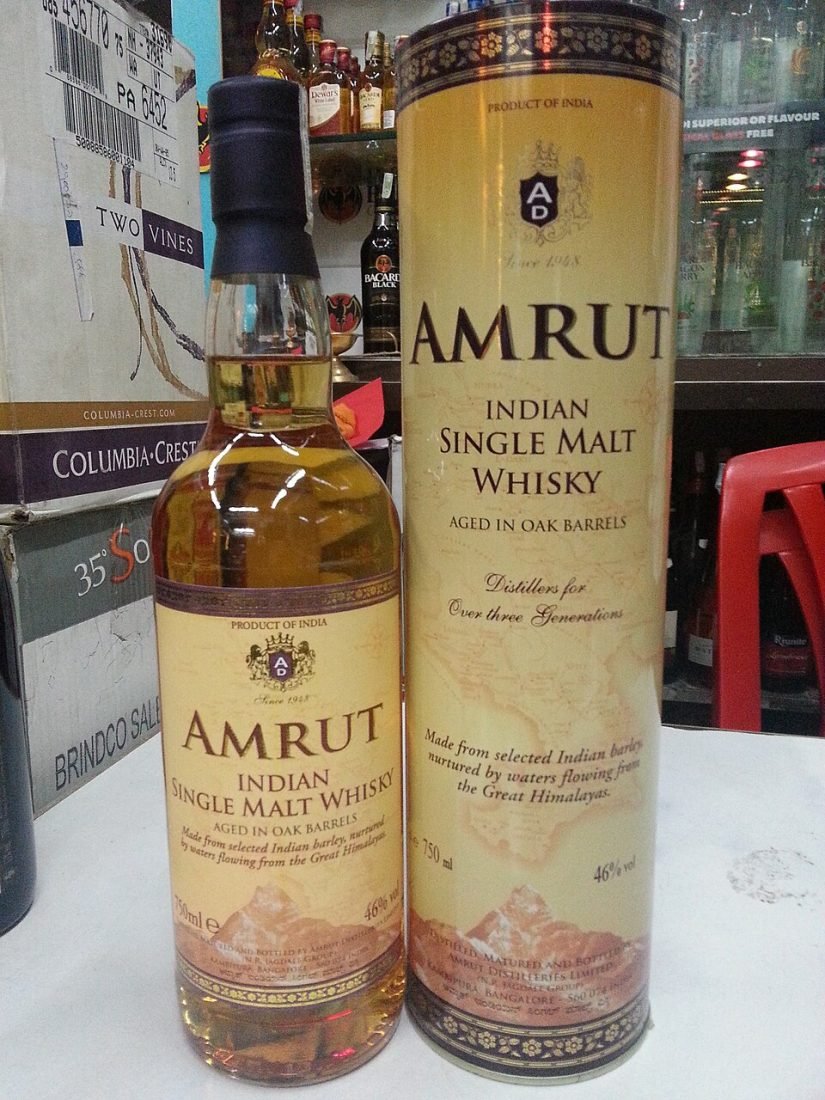 AmrutBengaluru, KarnatakaThe pioneer. Fusion blends Indian and peated Scottish barley; Indian barley and a hot climate make it age fast.
India's warm climate makes whisky age faster than in Scotland, so a four-to-six-year-old Indian malt can taste far older. That is why Indian single malts have been winning awards worldwide. They are also usually cheaper than a Scotch of similar quality, so they are a smart place to start.
Buying single malt in India: a few safe habits
- Buy from licensed shops, or from the state's own outlets where they exist. Avoid unlicensed sellers and unusually cheap bottles.
- Check the seal, the batch code and the label print quality. Reputable stores are happy to let you look.
- Check the state's official price list. The maximum retail price is printed on the bottle.
- Travelling abroad? Indian customs rules allow adult travellers a limited amount of alcohol (two litres at the time of writing) duty-free on arrival. Check the current rules before you fly.
- Each state sets its own legal age and rules. Please drink responsibly, and never drive afterwards.
The last word
Single malt is not a test you pass. It is a conversation between you and a place. Start with one bottle, a tulip glass and fifteen unhurried minutes. Notice what you smell and taste, add a few drops of water, and write down one honest word. Then try another and notice the difference. That is all a good tasting ever is.
Please enjoy responsibly. Prices and availability change often, so use the figures here only as a guide.
Photo credits
Bottle and distillery photos are free-licence images from Wikimedia Commons.
- Pbrundel at Dutch Wikipedia (Original text: P. Brundel) · CC BY-SA 3.0
- JIP · CC BY-SA 3.0
- Pbrundel at Dutch Wikipedia · CC BY-SA 3.0
- Keeezawa · CC BY-SA 4.0
- Thomon · CC BY-SA 4.0
- Keeezawa · CC BY-SA 4.0
- Datenralfi · CC BY-SA 3.0 de
- Trashmillion · CC BY-SA 3.0
- Vikrambj · CC BY-SA 3.0


